Understanding beginner scuba diving depth is essential for safe and comfortable diving. Depth affects pressure, breathing, and overall control, which is why beginners always dive within shallow, controlled limits. These limits help new divers focus on learning basic skills without added risk.
Many beginners assume deeper dives are better or more exciting, but most training and marine life are found in shallow water. This guide explains how deep beginners can dive, clears up common misconceptions, and helps new divers understand why depth limits exist to keep scuba diving safe and enjoyable.
How Deep Can Beginners Dive?
The question how deep can beginners dive has clear, well-defined answers. Beginner scuba diving depth limits are set to protect safety, reduce pressure risks, and create a comfortable learning environment
Typical Depth Limits For Beginner Scuba Divers
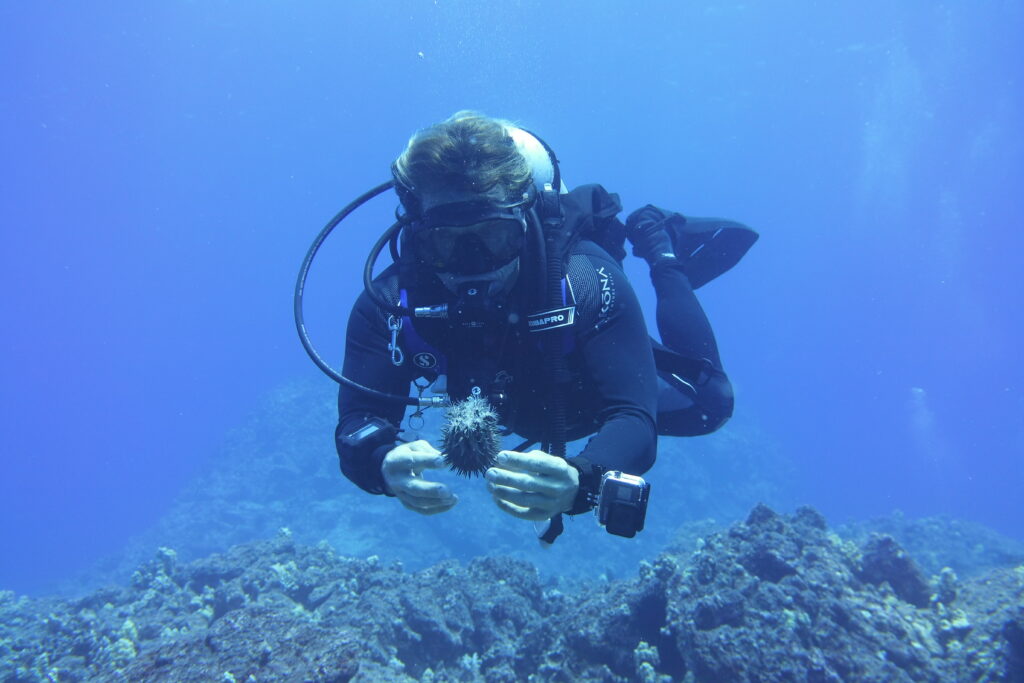
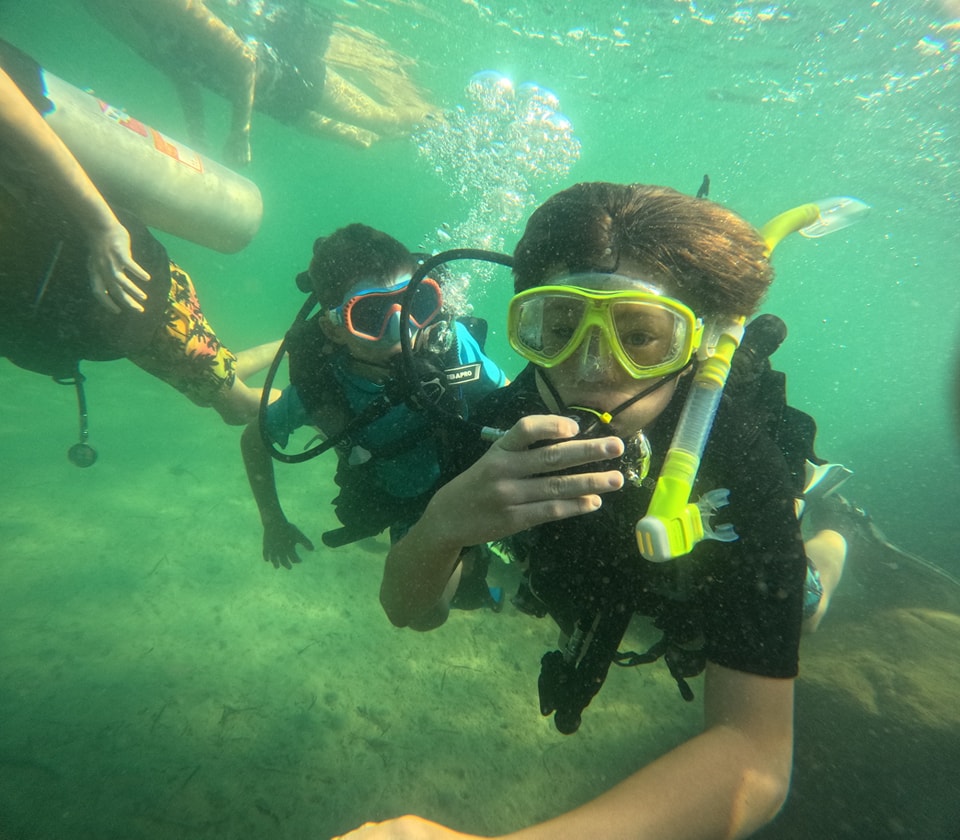
Discovery or introductory dives usually stay between 20 and 40 feet (6–12 meters). This shallow range allows beginners to practice breathing, equalization, and buoyancy while remaining within safe pressure limits. Depth depends heavily on each individual participant’s performance and level of comfort.
Certified beginner divers are typically allowed to dive up to 60 feet (18 meters) after completing an entry-level certification. These limits are enforced by training standards and instructor supervision.
Why Shallow Dives Are Ideal For Beginners
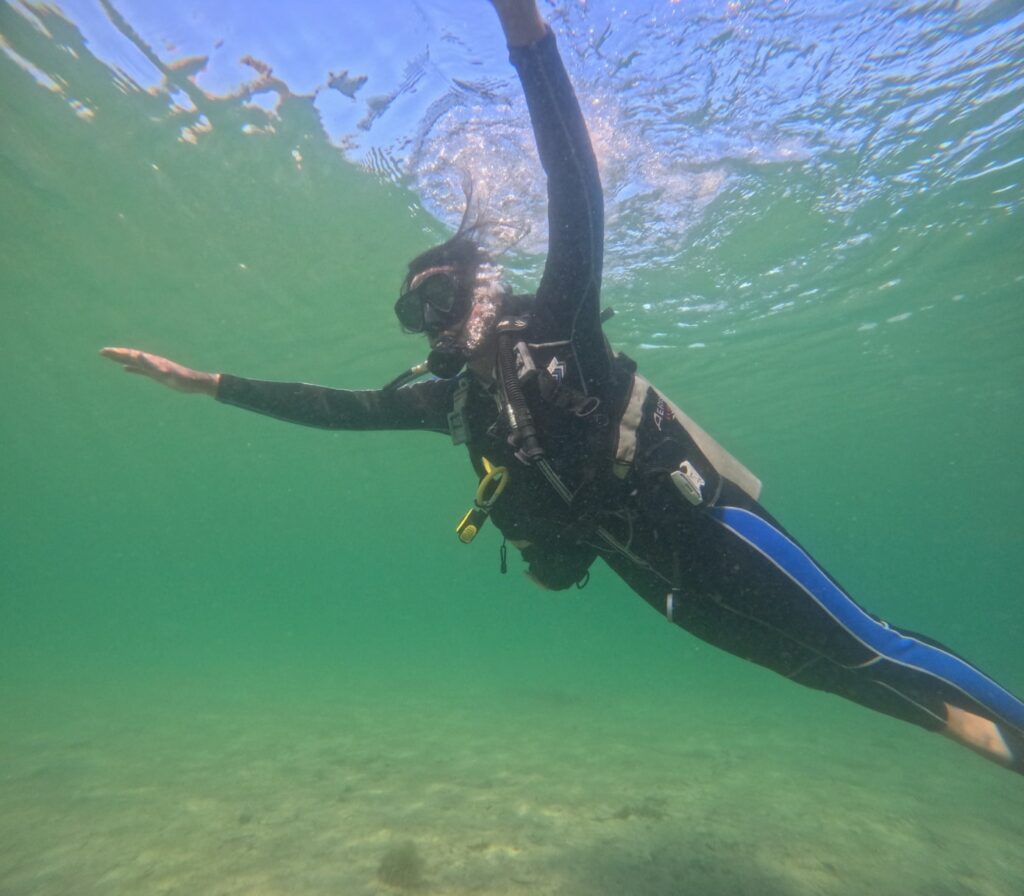
Shallow dives reduce pressure risks on the ears, sinuses, and lungs, making equalization easier and safer for beginners. Ascents and descents are also easier to manage at shallow depths, giving new divers more control and greater reaction time if adjustments are needed.
A shallow depth creates an ideal learning environment where beginners can focus on breathing, buoyancy, and movement without feeling overwhelmed. Reduced depth lowers stress levels, helping new divers stay calm and absorb instructions more effectively.
At shallow depths, air lasts longer because pressure is lower, allowing beginners to spend more time underwater. The relaxed pace of shallow dives helps new divers move slowly, stay comfortable, and enjoy the experience without rushing.
Pressure And Depth Explained For Beginners
Pressure is one of the main reasons beginner scuba diving depth is carefully controlled. As you descend underwater, pressure increases, which affects both your body and your equipment. Understanding this relationship helps beginners dive safely and comfortably.
How Water Pressure Increases With Depth
Water pressure increases steadily as you go deeper. Every 33 feet (10 meters) of depth adds another atmosphere of pressure to the body. This means the deeper you dive, the more pressure your body experiences. Pressure matters because it affects breathing, air spaces in the body, and how quickly changes must be managed during descent and ascent.
Effects Of Pressure On The Body
Pressure most commonly affects the ears, which is why beginners must equalize early and often to avoid discomfort. The sinuses can also feel pressure if congestion is present, making gentle equalization important. The lungs are affected by pressure changes as well, which is why continuous breathing and controlled ascents are essential. These effects explain why shallow dives are ideal for beginners and why depth limits are strictly followed.
Equalization Tips For Beginner Scuba Divers
Equalization is the process of balancing pressure in the ears and sinuses as you descend. It is necessary because water pressure increases with depth and affects air spaces in the body. Beginners should equalize early and often, starting at the surface and continuing throughout the descent.
Beginners use gentle equalization methods to avoid discomfort. These techniques are simple, require minimal effort, and are taught before entering the water. The key is to equalize slowly and never force pressure changes.
If equalization feels uncomfortable or painful, beginners should stop descending immediately. Forcing equalization can cause injury. Instructors assist by adjusting depth, slowing the descent, and providing guidance until comfort returns. This support ensures equalization remains safe throughout the dive.
Beginner Scuba Diving Depth Vs Certified Diver Depth
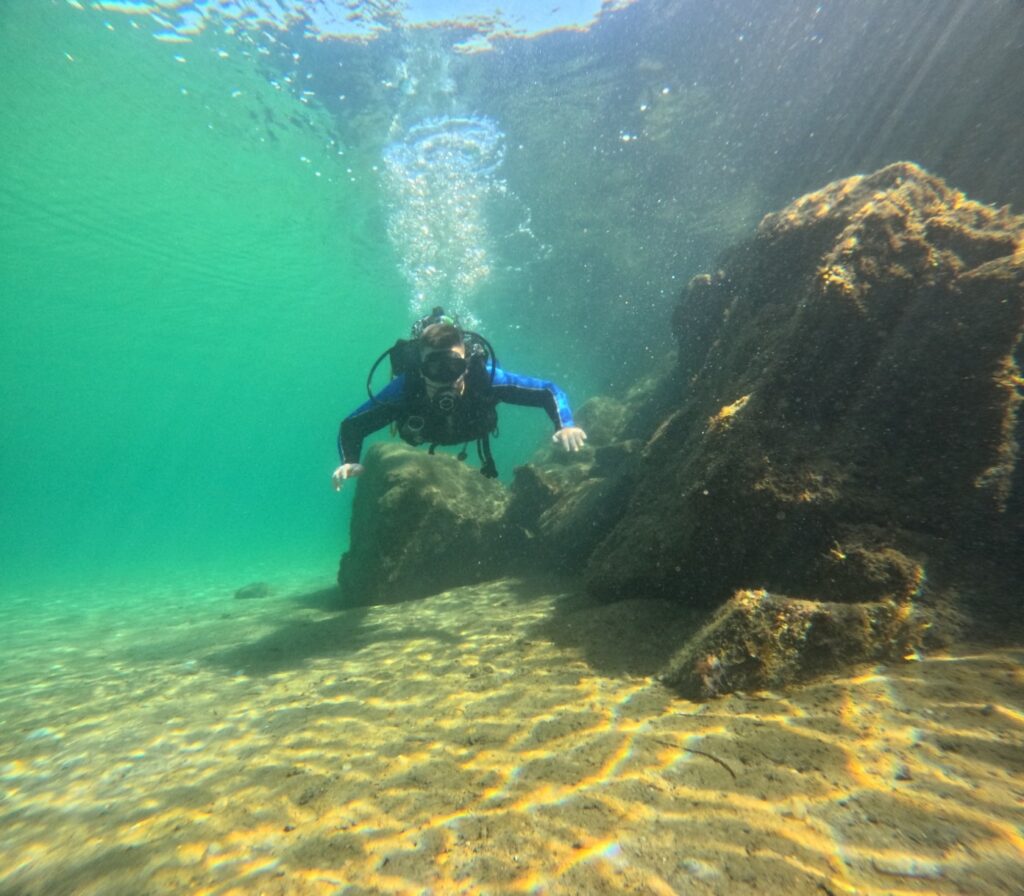
Beginner scuba diving depth is intentionally limited to create a safe and controlled learning environment. These limits are not restrictions but protective boundaries that allow new divers to build skills gradually. As training and experience increase, divers earn the ability to go deeper, but always through structured progression rather than sudden jumps.
Beginner Depth Limits
During introductory or discovery dives, beginners stay in very shallow water, usually between 20 and 40 feet (6–12 meters). At this depth, pressure changes are mild, air lasts longer, and instructors can closely monitor each diver. This environment helps beginners focus on breathing, equalization, and buoyancy without feeling rushed or overwhelmed.
After completing an entry-level certification, divers are typically cleared to dive up to 60 feet (18 meters). This depth allows for more varied dive sites and experiences, but still keeps pressure and air consumption within manageable limits for newly certified divers.
How Depth Limits Increase With Experience
Depth limits increase only after divers gain additional training and real-world experience. Advanced courses introduce deeper dives in a controlled way, teaching divers how to manage increased pressure, faster air consumption, and more complex dive planning. This step-by-step approach ensures that deeper diving is based on skill, awareness, and confidence rather than curiosity alone, creating safer and more enjoyable long-term diving experiences.
Common Beginner Depth Mistakes To Avoid
Depth-related mistakes are common among new divers, but they are easy to avoid with awareness and proper guidance. Balancing depths comes with practice, going underwater does not necessarily mean going deep, but rather going at a comfort depth level.
Descending too fast is one of the most frequent beginner errors. A rapid descent makes equalization difficult and increases the risk of ear discomfort. Beginners should descend slowly, pause when needed, and allow the body time to adjust to pressure changes.
Skipping equalization can quickly lead to pain or injury. Equalization should begin at the surface and continue throughout the descent. If discomfort appears, stopping and signaling the instructor is essential.
Following other divers deeper than allowed is another common mistake. Beginners should always stay within their training limits, regardless of what others are doing. Depth limits exist to protect safety and build skills gradually, not to restrict enjoyment.
Frequently Asked Questions
How deep do first-time scuba divers go?
First-time scuba divers usually dive between 20 and 40 feet (6–12 meters) to stay within safe and comfortable depth limits. Balancing depths comes with practice, going underwater does not necessarily mean going deep, but rather going at a comfort depth level.
Is deeper diving more dangerous?
Yes, deeper diving increases pressure, air consumption, and risk, which is why beginners are kept shallow.
Can beginners dive deeper with an instructor?
No, beginners must follow set depth limits even with an instructor, as these limits are based on training and safety standards.
Final Thoughts: Depth Safety For Beginner Scuba Divers
Depth limits are not restrictions. They are safety tools designed to help beginners learn, enjoy, and progress in scuba diving at the right pace.
Why Depth Limits Protect Beginners
Shallow depth limits support long-term skill development by allowing beginners to master breathing, buoyancy, and awareness before adding complexity. They also build confidence and enjoyment, helping new divers feel relaxed and in control rather than rushed or overwhelmed.
If you are new to scuba diving, start with a shallow beginner dive designed for first-time divers. Continue learning about scuba safety and depth awareness to strengthen your confidence. Exploring beginner-friendly dive locations is a great way to gain experience while staying within safe depth limits and enjoying the underwater world.