Many people believe that strong swimming skills are required to scuba dive. This assumption usually comes from comparing scuba diving to snorkeling or traditional swimming, where constant movement at the surface is necessary. Because of this, non-swimmers often assume scuba diving is not an option for them.
This question is especially common among beginners who are curious about diving but feel unsure or hesitant about their swimming ability. Fear of water, lack of confidence, or limited swimming experience can make scuba diving seem inaccessible before learning how it actually works.
This article clearly explains whether you can scuba dive without swimming skills, how scuba diving differs from swimming, and under what conditions non-swimmers can safely enjoy a supervised scuba diving experience.
Can You Scuba Dive If You Can’t Swim?
Yes, you can scuba dive if you can’t swim, but only under specific conditions. Non-swimmers can safely participate in introductory or discovery dives that are conducted in shallow water and fully supervised by a certified instructor.
Why Scuba Diving Is Different From Swimming
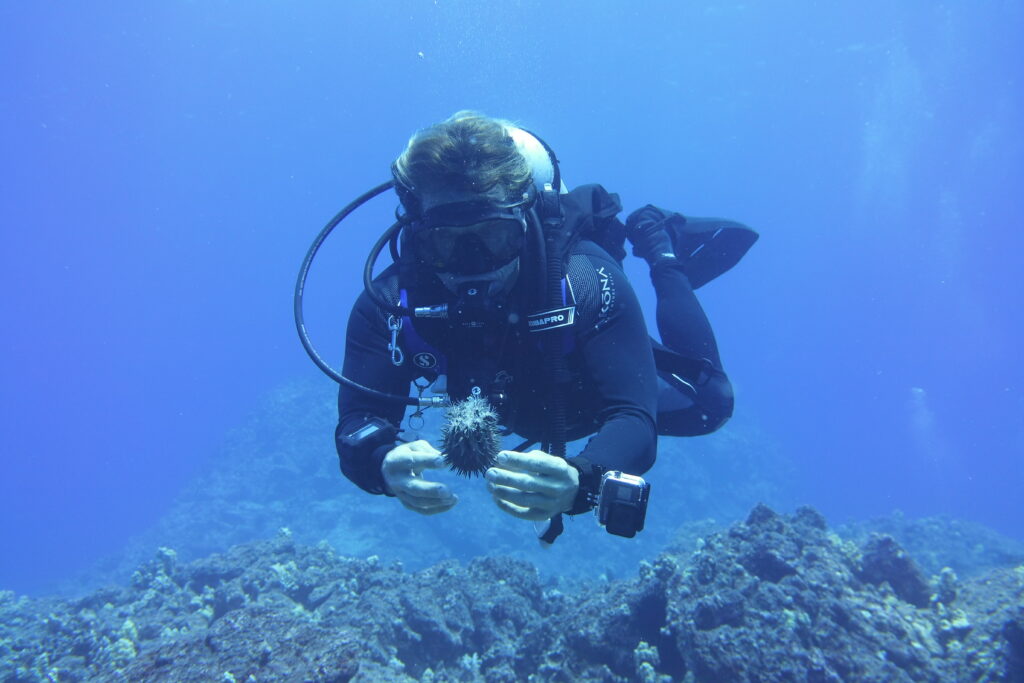
In scuba diving, you do not swim to stay afloat. Instead, you use buoyancy, which allows your body to float, sink, or stay suspended in the water. The Buoyancy Control Device (BCD) helps manage this by adding or releasing small amounts of air. This means divers are supported by their equipment rather than by swimming effort.
Slow Movement And Fin Use
Scuba diving does not involve arm swimming. Divers keep their arms relaxed and use fins to move slowly and efficiently. Movements are controlled and minimal, reducing effort and conserving energy. This slow pace makes scuba diving feel calm and manageable, even for beginners with limited swimming skills.
Scuba Diving For Non-Swimmers: What Is Allowed
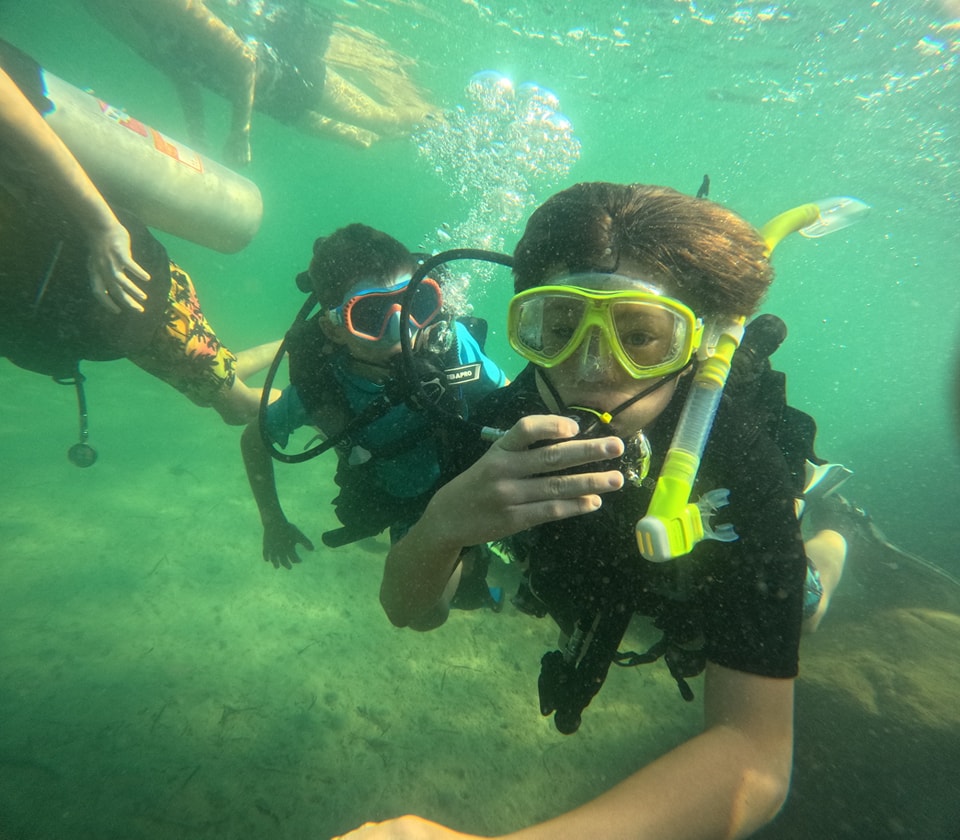
Introductory or discovery dives are the most common option for non-swimmers. These dives take place in shallow water, usually within beginner depth limits, and are fully guided by a certified instructor. The instructor remains close, controls the pace, and assists with buoyancy and movement, allowing non-swimmers to focus on breathing and comfort rather than swimming.
Additionally, pool or confined water training offers a controlled environment where conditions such as depth, visibility, and entry are predictable. This setup allows instructors to provide hands-on support and immediate assistance if needed. The safety-first approach makes confined water sessions ideal for non-swimmers who want to experience scuba diving in a low-stress setting.
When Swimming Skills Are Required
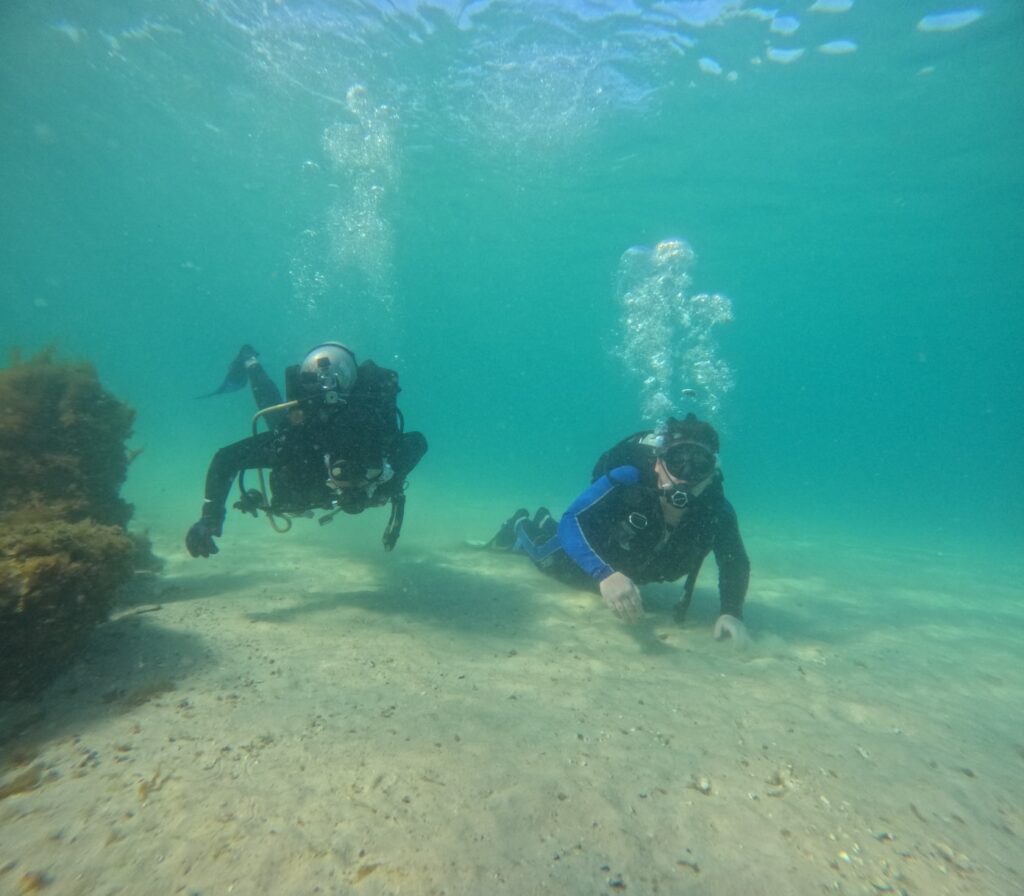
Scuba certification programs require a basic swim test. This usually includes swimming a short distance and floating or treading water for a set time. The purpose is not to test speed or technique, but to confirm basic water comfort and self-rescue ability.
Certification is different because certified divers are expected to dive with less direct supervision. Basic swimming skills ensure divers can safely manage surface situations and respond calmly if conditions change.
Surface Safety Considerations
Swimming skills are also important at the surface. Boat entry and exit, moving short distances in open water, and handling waves or currents may require basic swimming ability. In emergency scenarios, such as assisting a buddy or reaching a safe exit point, swimming competence adds an extra layer of safety.
How Instructors Keep Non-Swimmers Safe
Instructors recommend dives to one-on-one or small-group supervision, allowing them to stay within arm’s reach of each diver. This close positioning ensures immediate assistance with buoyancy, breathing, or comfort at any moment.
Strict depth limits and positioning are enforced at all times. Non-swimmers remain in shallow water where pressure changes are minimal, and instructors control descent, ascent, and pacing to prevent stress or disorientation.
Physical support and assistance are provided whenever needed. Instructors help with balance, movement, and positioning, and can physically guide divers if they feel uncertain. This hands-on approach allows non-swimmers to focus on breathing calmly and enjoying the experience rather than managing movement or control.
Frequently Asked Questions About Scuba Diving For Non-Swimmers
Can non-swimmers do a discovery dive?
Yes. Non-swimmers can take part in discovery or introductory dives when they are conducted in shallow water and fully supervised by a certified instructor.
Do you need to tread water?
No. To become a fully certified scuba diver, you must demonstrate you can swim 200 meters (no time limit) and float/tread water for 10 minutes. However, for a discovery dive, this skill assessment is usually skipped. Treading water is not required during beginner or discovery dives. Buoyancy is managed with scuba equipment, and instructors assist at the surface if needed.
What happens if I feel uncomfortable?
If you feel uncomfortable at any point, you signal the instructor immediately. The dive can be paused, adjusted, or ended calmly. Beginner dives are designed to prioritize comfort and safety at all times.
Final Thoughts
Scuba diving for non-swimmers is possible when the right conditions are in place. With shallow depths, controlled environments, and close instructor supervision, many people who cannot swim still enjoy a safe and positive first scuba diving experience. The key is understanding the difference between supervised beginner dives and independent certified diving.
Honesty about your comfort level, open communication with instructors, and choosing the right type of dive are essential. Scuba diving is not about swimming strength. It is about calm breathing, controlled movement, and trusting a system designed around safety.
If you are a non-swimmer curious about scuba diving, the best next step is to speak directly with a certified instructor and ask about beginner or discovery dive options. In the right setting, scuba diving can be an accessible, confidence-building experience – even without traditional swimming skills.