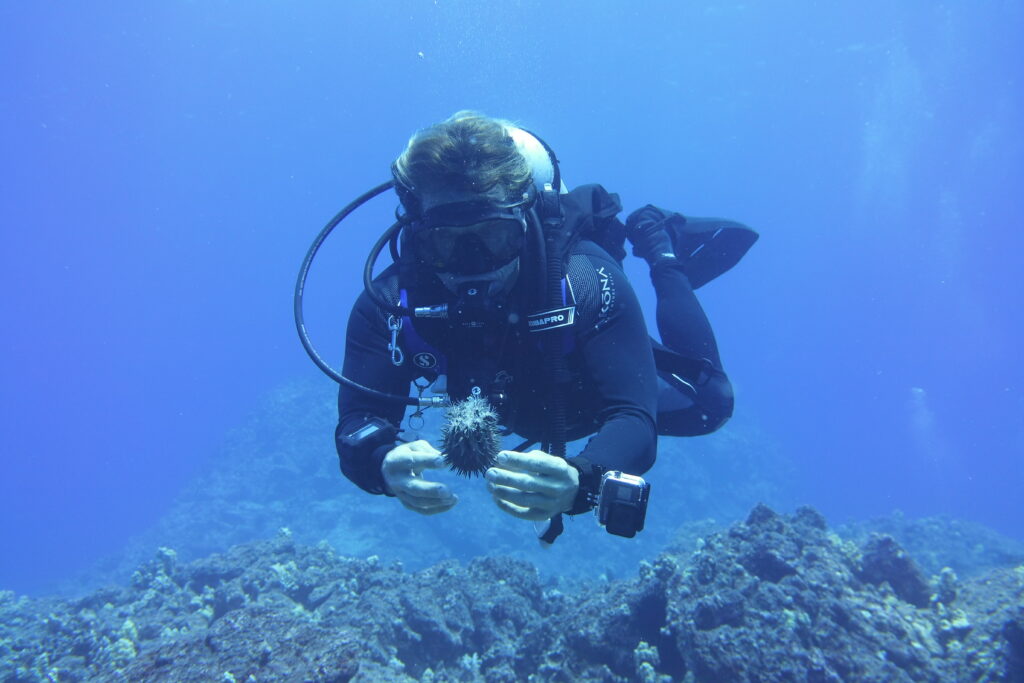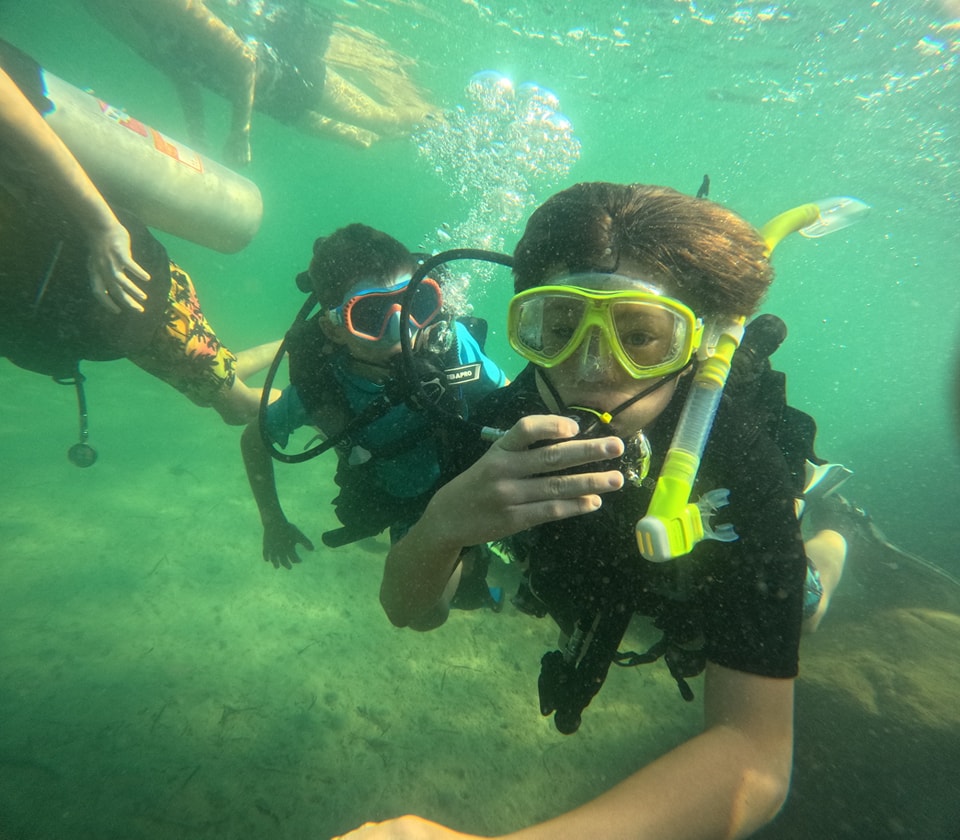
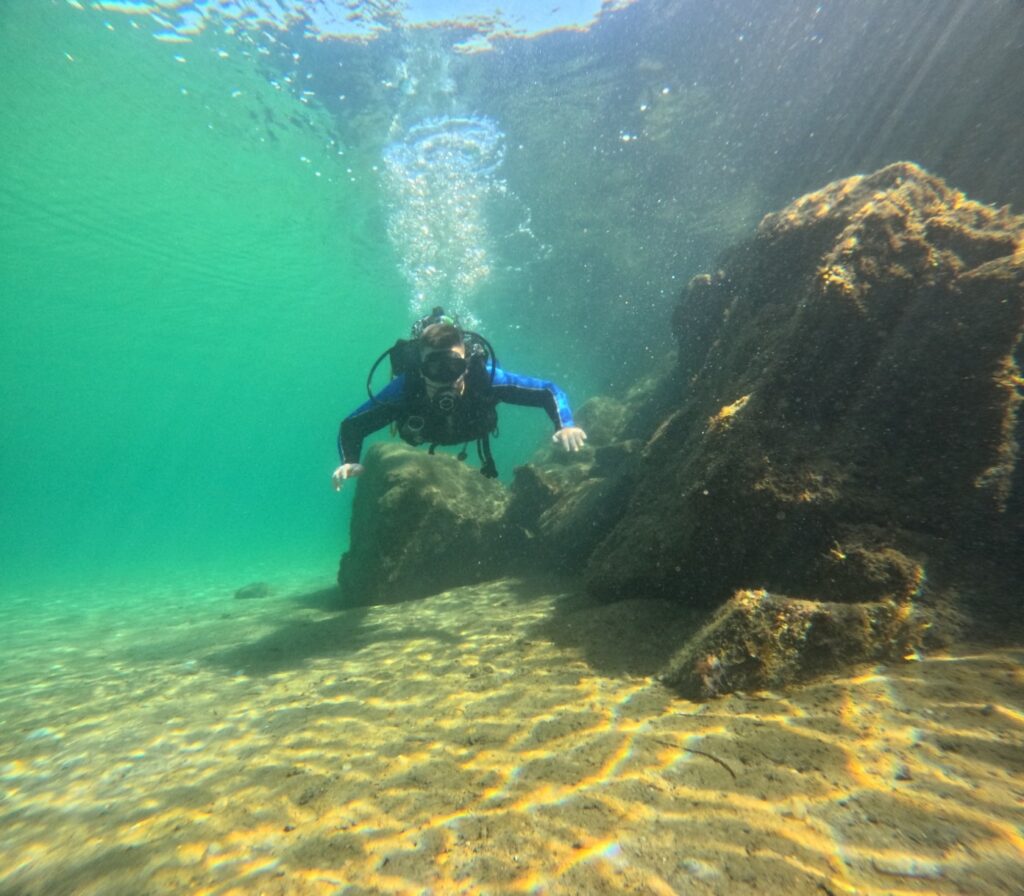
Many parents ask whether scuba diving is safe for children and what the minimum age for scuba diving really is. The answer depends on the child’s age, maturity, and the type of program offered. Scuba diving for kids is possible when proper safety standards, depth limits, and instructor supervision are in place. This guide explains age requirements, safety protocols, and what families should expect.
What Is The Minimum Age For Scuba Diving?
Most major training organizations allow children to begin scuba diving at 10 years old. At this age, kids can complete junior certification programs with strict depth limits and instructor supervision.
Some dive centers also offer introductory or discovery dives starting at 8 years old, but these experiences are conducted in very shallow water, often in pools or calm confined environments.
There is no universal upper age limit for children, but maturity matters more than age alone. Kids must be able to follow instructions, communicate clearly, and remain calm underwater.
Is Scuba Diving Safe For Kids?
Scuba diving for kids is considered safe when conducted under certified supervision and within age-appropriate depth limits. Safety protocols for children are stricter than for adults.
Key safety measures include:
- Reduced maximum depth limits
- Smaller instructor-to-student ratios
- Conservative dive planning
- Shorter dive times
Children are never expected to manage equipment independently during beginner experiences. Instructors stay close and guide each step.
Junior Certification: How It Works
Children aged 10 to 14 can earn junior scuba certifications. These programs include:
- Basic theory lessons adapted for young learners
- Pool or confined water training
- Open water dives within strict depth limits
For example:
- Ages 10 – 14 are limited to 40 feet (12 meters)
Once they reach 15, junior certifications convert to full adult certifications.
What Makes A Child Ready To Dive?
Age alone does not determine readiness. Parents should consider:
- Water comfort and swimming ability
- Ability to follow instructions calmly
- Emotional maturity
- Comfort wearing equipment
- Interest and willingness to try the activity
Children who panic easily in water or struggle to listen to instructions may need more time before trying scuba diving.
Health And Medical Considerations For Children
Children must complete the same medical questionnaire as adults. Conditions affecting the ears, lungs, or heart require medical clearance. Because children’s bodies are still developing, instructors are conservative with depth and dive duration.
Proper hydration, rest, and avoiding illness are especially important before a dive.
Common Parent Concerns
Is scuba diving too dangerous for children?
When conducted within age limits and with certified instructors, scuba diving for kids is structured to minimize risk.
Do kids need to be strong swimmers?
Yes. Basic swimming ability and water comfort are typically required for junior certification programs.
Will scuba diving scare my child?
Programs are designed to build confidence. However, children should never feel pressured. Interest and willingness are important.
Choosing The Right Dive Center Or Scuba Instructor For Kids
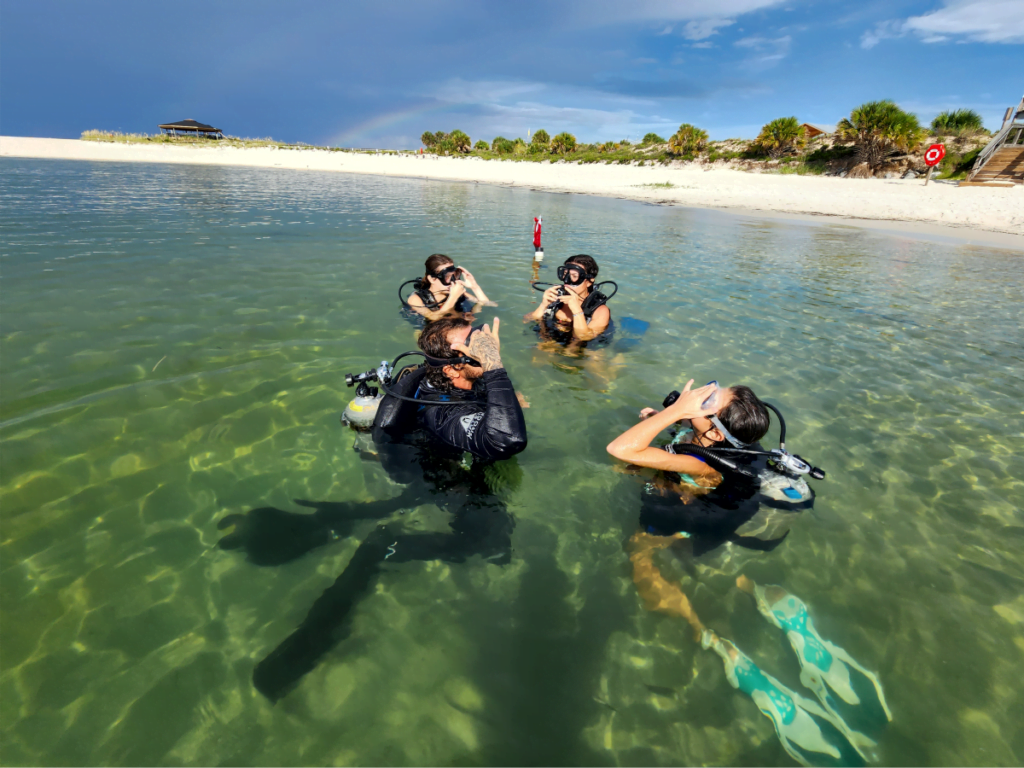
Not all dive centers specialize in children’s programs. Look for:
- Certified instructors experienced with kids
- Clear safety protocols
- Small class sizes
- Calm, shallow dive sites
A child-focused approach makes a significant difference in comfort and safety.
Is Scuba Diving Right For Your Child?
Scuba diving for kids can be a rewarding and educational experience when age, maturity, and safety standards align. The minimum age for scuba diving is typically 10 for certification, with limited shallow experiences available from 8 in some locations.
The most important factors are comfort, communication, and proper supervision. When those are in place, scuba diving can become a confidence-building adventure that children remember for years.