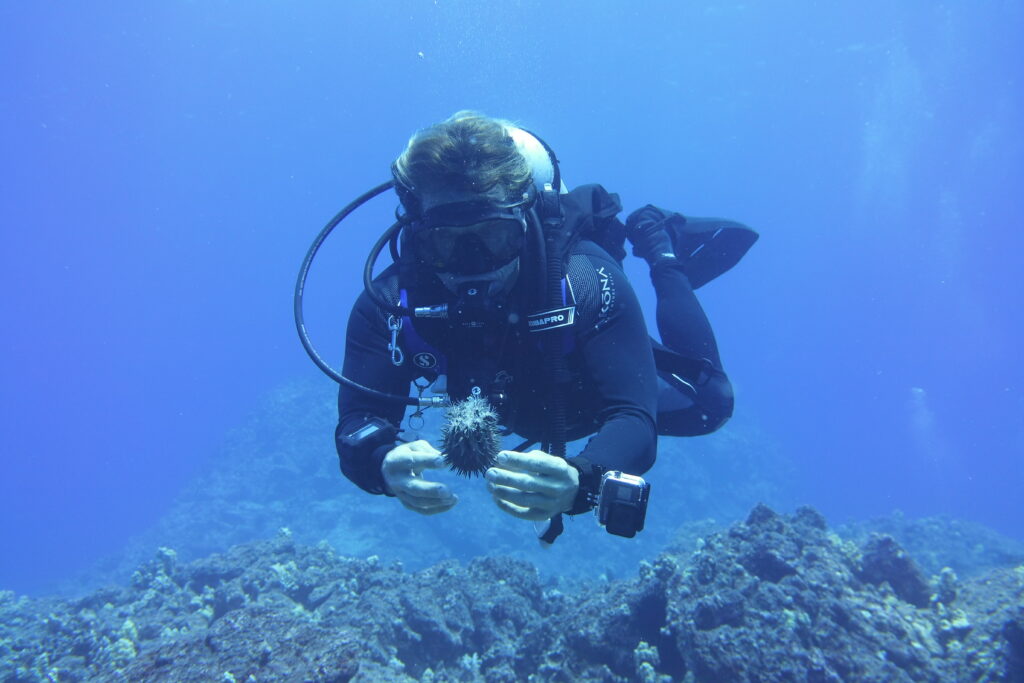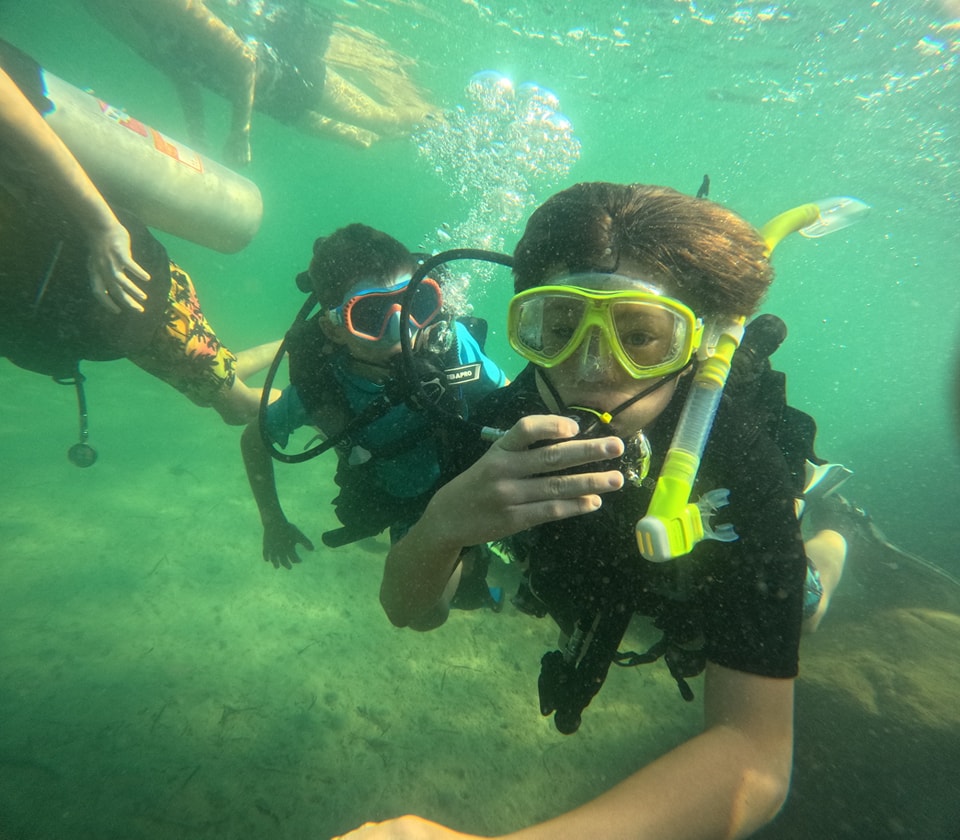
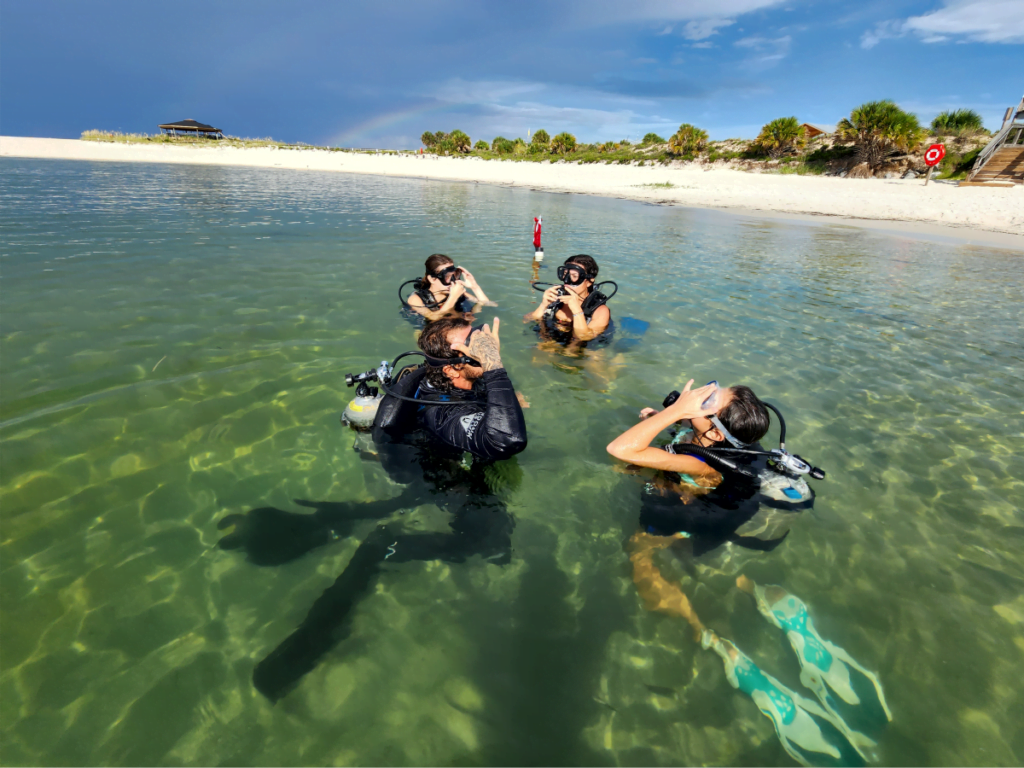
Scuba diving health requirements exist to protect divers and ensure that every dive is safe and enjoyable. Because scuba diving involves pressure changes, controlled breathing, and physical activity, certain health checks are necessary to reduce risk. First-time divers often worry about medical eligibility, anxiety, or whether minor health conditions might prevent them from diving.
This article clarifies the key scuba diving health risks, explains basic physical requirements, and helps beginners understand when it is safe to dive and when extra care or medical clearance is needed.
Basic Physical Requirements For Scuba Diving
Scuba diving physical requirements are often simpler than beginners expect. Being “fit enough to dive” means having basic mobility, the ability to move comfortably in water, and the stamina for light physical activity. You do not need high strength or athletic conditioning. Comfort and calm movement matter far more than muscle or endurance.
Scuba diving does not rely on strength. Equipment supports your body underwater, and movement is slow and controlled. What matters is being able to walk with gear on land, follow instructions, and maintain balance in the water. Basic water comfort is important, including the ability to float, stay calm at the surface, and move short distances if needed.
Scuba Diving Health Risks Beginners Should Understand
Scuba diving health risks are primarily related to pressure changes and breathing compressed air underwater. As divers descend, pressure increases, which can affect the ears and sinuses if equalization is not done properly. This is why congestion, colds, or ear discomfort should be taken seriously and may require postponing a dive.
Breathing and circulation are also important considerations. Scuba diving requires slow, controlled breathing and normal cardiovascular function to support oxygen delivery throughout the body. Conditions that affect breathing or blood flow can increase risk if not properly managed.
These risks are generally manageable when proper screening is in place. Medical questionnaires, instructor briefings, and conservative dive limits help identify potential issues before diving. When beginners follow guidelines and communicate honestly and promptly, scuba diving remains a safe activity for most people.
The Scuba Diving Medical Questionnaire Explained
Every diver must complete a scuba diving medical questionnaire because it identifies health conditions that could be affected by pressure, breathing compressed air, or physical exertion underwater. The form helps screen for issues related to the heart, lungs, ears, sinuses, and overall circulation before a dive takes place.
Instructors use the questionnaire to determine whether a diver can safely participate or if medical clearance is needed. It guides dive planning, supervision level, and depth limits, ensuring beginner dives remain conservative and controlled.
Honesty is critical when completing the form. Leaving out information or minimizing symptoms increases risk and limits an instructor’s ability to keep you safe. Accurate answers protect both the diver and the instructor and allow scuba diving health requirements to work as intended—preventing problems before they occur.
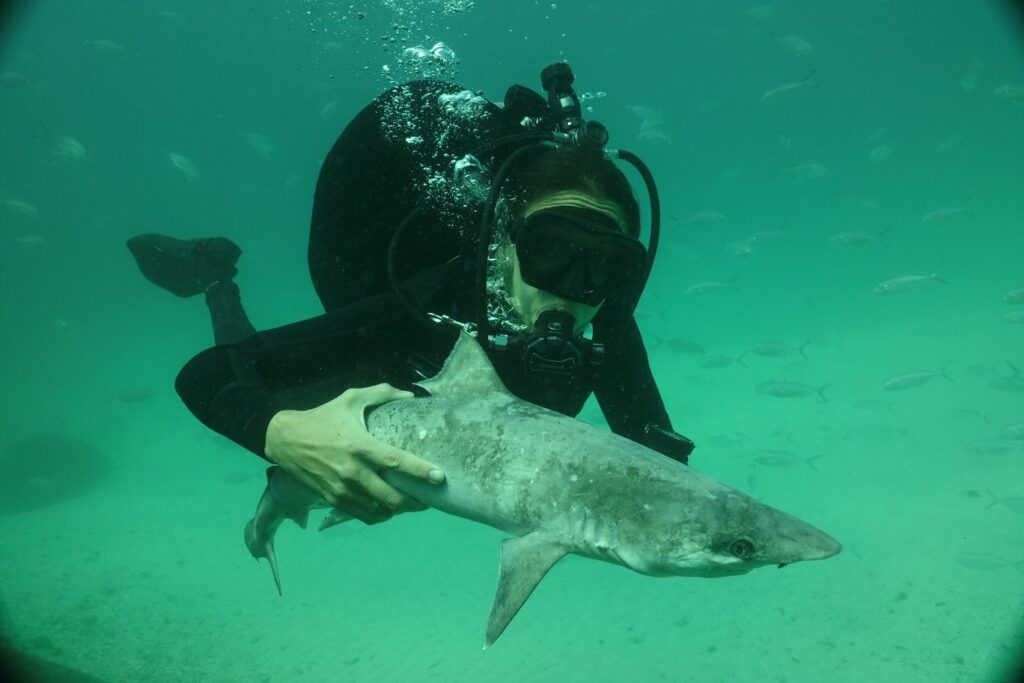
Medical Conditions: What Is Not Allowed vs What Is Usually Okay
Conditions That Require Medical Clearance
Certain conditions can increase scuba diving health risks and must be reviewed by a medical professional before diving. These include heart and lung conditions that affect circulation or breathing, as pressure changes can place extra stress on these systems. Uncontrolled asthma is another concern, as restricted airflow can interfere with safe breathing underwater. Recent surgeries, especially involving the chest, back, abdomen, ears, or sinuses, also require clearance to ensure proper healing and pressure tolerance.
Conditions Often Allowed With Caution
Some conditions are commonly allowed when well managed. Controlled asthma, where symptoms are stable and infrequent, may be acceptable with medical approval. High blood pressure that is properly treated and monitored is often not a barrier to diving. Mild anxiety is also common among beginners and is usually manageable with instructor support and calm, guided dives. In all cases, open communication and honest screening help determine safe participation.
Age, Fitness, And Lifestyle Considerations
Most scuba diving programs allow beginner dives from 10 years old, with no upper age limit as long as the diver is in good health. Full certification usually begins between 10 and 12 years old, with age-based depth limits for younger divers.
Beginner fitness requirements are minimal. Divers should be able to walk with gear, move calmly in water, and follow instructions. Strength and endurance are not required. To reduce scuba diving health risks, avoid alcohol and flights 24 hours before diving, stay well hydrated, and get proper rest to support focus and safe breathing.
When You Should Not Scuba Dive
You should not scuba dive if you are sick, congested, or experiencing ear or sinus pressure, as these conditions make equalization difficult and increase the risk of injury. Diving while fatigued or dehydrated can also affect breathing, circulation, and decision-making underwater. Most importantly, ignoring warning signs such as dizziness, chest discomfort, unusual shortness of breath, or persistent anxiety is unsafe. When in doubt, postponing a dive is always the safest choice and supports responsible scuba diving health practices.
Frequently Asked Questions
Do I need to be very fit to scuba dive?
No. You do not need to be highly athletic to scuba dive. Basic mobility, water comfort, and the ability to remain calm are the main physical requirements.
Is anxiety a medical issue for diving?
Mild anxiety is common for beginners and is usually not a medical issue. However, severe or panic-related anxiety should be discussed with an instructor before diving.
Can I dive with a minor health condition?
In many cases, yes. Minor and well-controlled conditions are often allowed, but they must be disclosed on the medical questionnaire so instructors can assess safety properly.
Final Thoughts
Scuba diving health requirements exist to protect everyone involved—divers, instructors, and dive teams. Health screening helps identify risks early, allows dives to be planned conservatively, and prevents avoidable problems underwater. Being honest about your health does not limit your chances to dive; it increases safety and ensures the experience is adapted to your needs.
Confidence comes from preparation. When beginners understand scuba diving health risks, know the physical requirements, and communicate openly, anxiety decreases and enjoyment increases. Most people who meet basic health guidelines can scuba dive safely when they follow proper procedures and instructor guidance.
Review scuba diving health requirements early, especially before booking a dive. Speak openly with instructors about any concerns or medical conditions, even if they seem minor. Choose beginner-friendly dive experiences that prioritize safety, conservative limits, and close supervision to start your scuba journey with confidence.