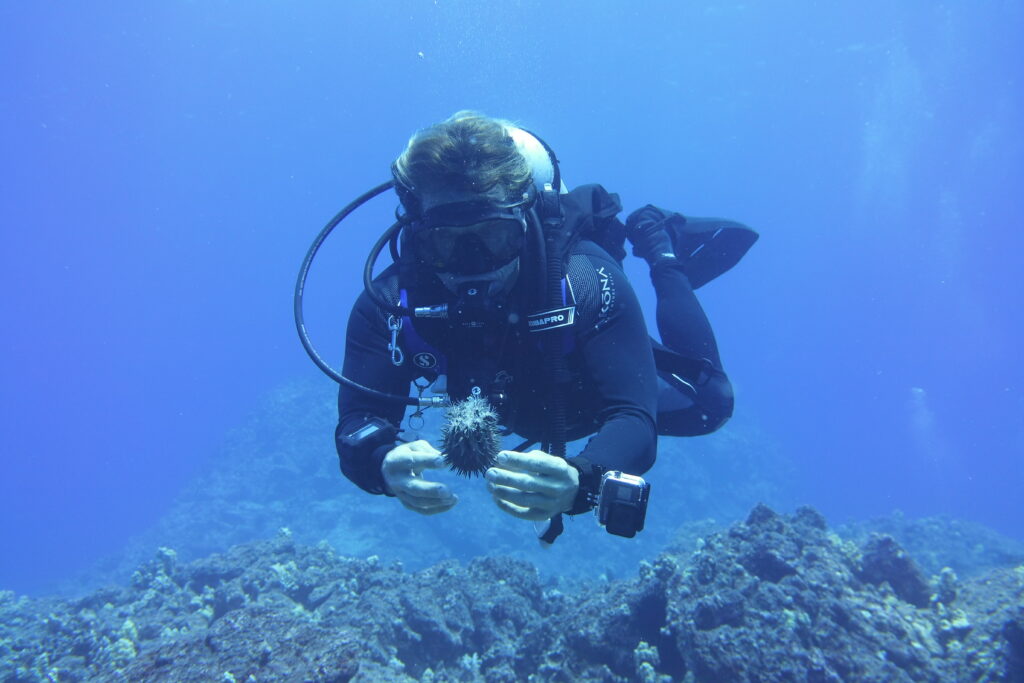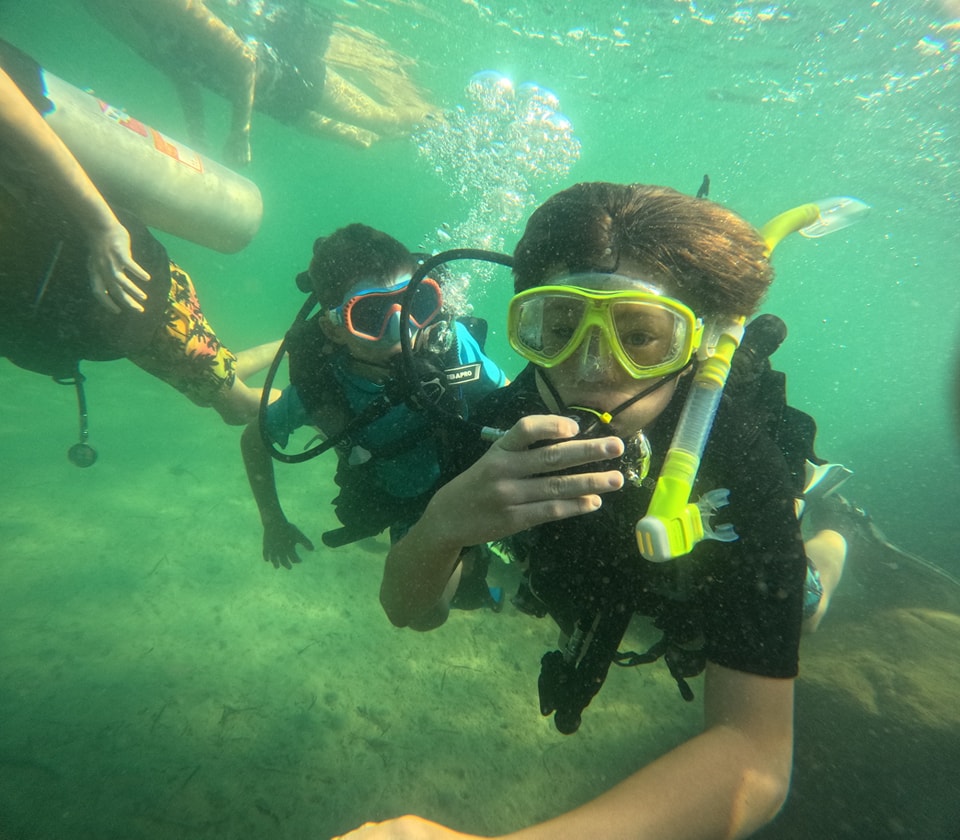
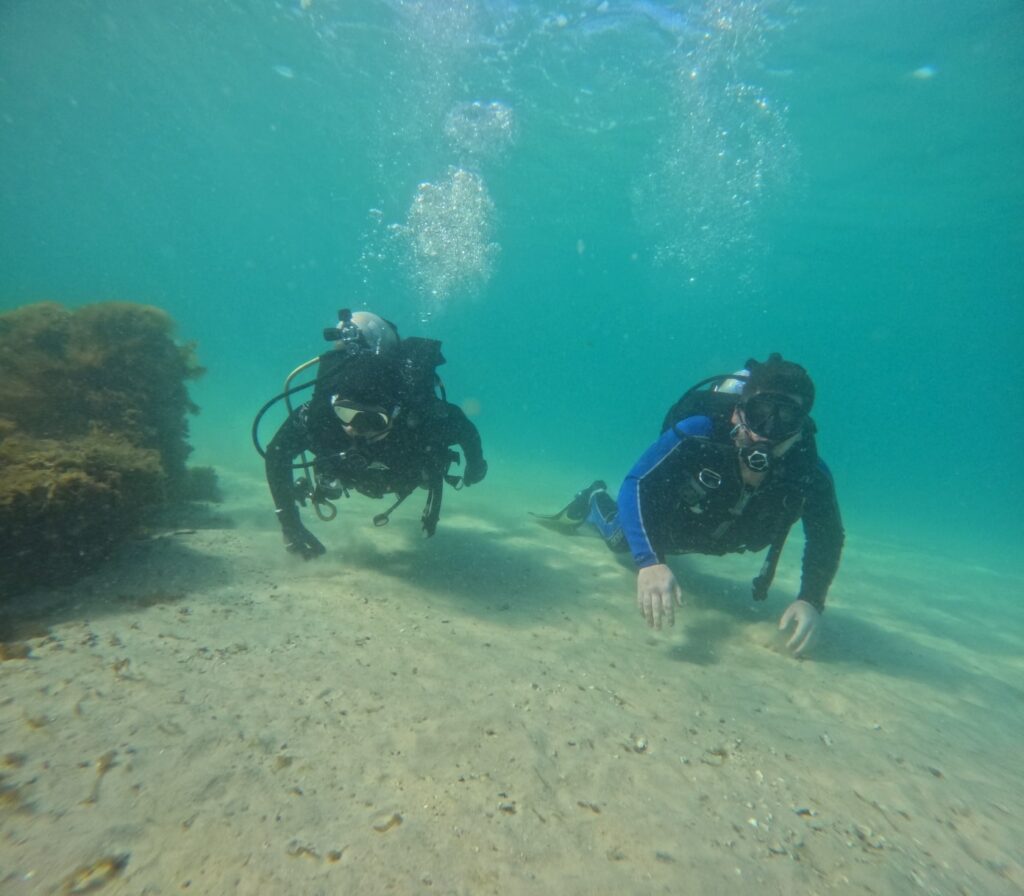
If you are curious about scuba diving but not ready for full certification, a discovery dive is the perfect starting point. Discovery scuba diving is designed for beginners who want to experience breathing underwater in a safe, controlled environment. This guide walks you through exactly what to expect on a discovery dive – from arrival to surfacing – so you feel prepared and confident.
What Is A Discovery Dive?
A discovery dive, sometimes called an introductory dive, is a supervised scuba experience for beginners. It does not require prior training or certification. You dive in shallow water under direct instructor supervision, usually in calm ocean conditions or a pool setting.
The goal of a discovery dive is simple: allow you to experience scuba diving safely while learning a few basic skills. It is structured, controlled, and designed specifically for first-time divers.
Before The Dive: Check-In And Briefing
Your intro dive experience begins with paperwork and a short medical questionnaire. This ensures there are no health concerns that could affect safety. Once completed, your instructor will explain how the equipment works and review simple safety rules.
During the briefing, you will learn:
- How to breathe through a regulator
- Basic hand signals for communication
- How to equalize your ears
- What to do if you feel uncomfortable
This session is clear and beginner-focused. You do not need to memorize complex details. The instructor explains only what you need to know for your first dive.
Gear Fitting And Preparation
Next, you will be fitted with scuba gear. This includes a mask, fins, wetsuit if needed, buoyancy control device (BCD), regulator, and tank. The equipment may feel heavy on land, but once in the water, it becomes balanced and manageable.
Your instructor will assemble and check all equipment. You will practice breathing through the regulator at the surface before descending. This moment often feels unusual at first, but most beginners adjust within minutes.
Entering The Water
Discovery dives take place in shallow, calm water. Entry methods vary depending on location. You may walk in from shore, step in from a boat, or start in a pool.
At the surface, the instructor helps you float comfortably. You will practice breathing calmly and clearing your mask. Once you feel ready, the descent begins slowly.
The Descent: Going Underwater For The First Tim
Your instructor will guide you down gradually. Descents are slow to allow equalization and comfort. You stay close to your instructor, often within arm’s reach.
The first moments underwater are usually the most memorable. Breathing feels natural once you relax. Movement is slow and controlled using fins. There is no swimming with arms and no rushing.
Discovery dives remain shallow, typically within beginner depth limits. The environment is calm, and the instructor controls pace and positioning at all times.

Underwater Experience
During the dive, you will focus on:
- Calm breathing
- Simple buoyancy adjustments
- Observing the underwater environment
You are not expected to perform advanced skills. The goal is comfort and enjoyment. Many beginners are surprised by how peaceful and weightless it feels.
The dive typically lasts around 20 to 40 minutes, depending on location and air consumption. Your instructor monitors air supply and ensures a smooth ascent when appropriate.
Ascending And Ending The Dive
The ascent is controlled and gradual. You will rise slowly with your instructor, maintaining steady breathing. Once at the surface, you will inflate your BCD to float comfortably.
Back on land or on the boat, equipment is removed and rinsed. Most dive centers conduct a short debrief where you can ask questions and discuss the experience.
It is normal to feel excited, relieved, or even amazed after your first dive. Many beginners report increased confidence and a strong sense of accomplishment. Some may feel slightly tired, which is normal after new physical activity. Hydration and rest help your body recover comfortably.
Is A Discovery Dive Safe?
Discovery scuba diving is designed with safety as the top priority. Dives are shallow, supervised, and structured around beginner comfort. Instructors control depth, positioning, and pace. Equipment includes backup systems and is checked before entering the water.
When guidelines are followed, a discovery dive is considered a safe and accessible way to try scuba diving for the first time.
Final Thoughts: Is A Discovery Dive Right For You?
If you are curious about scuba diving but unsure about committing to certification, a discovery dive is the ideal introduction. It removes complexity, reduces pressure, and allows you to experience the underwater world with professional guidance.
Discovery scuba diving explained in simple terms means this: you show up, learn the basics, dive shallow with supervision, and discover what it feels like to breathe underwater.
For many beginners, that first intro dive experience becomes the start of a lifelong passion.